

Adult Bedtime Routine
A solid bedtime routine, paired with a sleep environment that actually works for you, does more for your health than most people realize. Good sleep isn't just about feeling rested, it directly affects how well your brain functions, your mood, and both your mental and physical health overall.
We've pulled together some practical dos and don'ts that can make or break your ability to actually fall asleep, along with a few tips for improving sleep quality overall. We'll also get into something people tend to overlook: how bedding that regulates your body temperature plays into all of this, and why it might matter more than you think.
How to Establish a Bedtime Routine for Better Sleep
Consistency is the whole game. A steady set of wind-down habits tells your body, night after night, that sleep is coming, and over time it starts responding on cue.
The trick is to go slow. Don't overhaul everything at once, since that rarely sticks. Add one small habit, let it settle for a week or two, then layer in the next. Built gradually like that, a routine becomes automatic instead of another thing to force yourself to do.
Is it Okay to Eat and Drink Before Bed?
You can, but timing matters more than people realize. Research suggests eating your last real food around four to six hours before bed lines up best with solid sleep, since eating too close to lights-out raises the odds of waking up partway through the night.
A few pointers:
- Skip heavy or spicy meals late; they sit uncomfortably and disrupt rest
- Go easy on caffeine, which lingers longer than you'd think
- Watch the alcohol, since it makes you drowsy at first but fractures your sleep later
Should I Limit Screen Time Before Bed?
Honestly, yes. This is the big one for most people.
Phones, tablets, and TVs give off blue light, and blue light interferes with melatonin, the hormone that makes you sleepy. Stare at a screen right up to bedtime, and you're fighting your own body chemistry.
What helps:
- Put screens away an hour before bed if you can
- If you can't, switch on night mode or a blue-light filter
- Blue-light-blocking glasses are another option for evening screen use
Does Reading Before Bedtime Affect Your Sleep?
It does, in a good way. A little light reading gives your mind a gentle offramp from the day's noise into something calmer, and studies have linked pre-sleep reading to better sleep quality.
One caveat. Pick something calming, not the thriller you can't put down. The goal is to wind down, not to be up at 2 am needing to know who did it.
Does a Warm Bath or Shower Help with Sleep?
Yes, though not the way you'd guess. A warm bath nudges your body temperature up briefly, and then, once you're out, it drops, and that cool-down is what actually signals sleepiness.
Timing's the key. Aim for a bath or shower about one to two hours before bed, so the temperature dip lands right as you're settling in. Too close to bedtime and you miss the window.
Do Meditation and Yoga Help with Sleep?
Both can help a lot, mostly by dialing down stress and quieting a busy mind. When you're focused on your breath instead of tomorrow's to-do list, sleep comes easier.
Research has connected regular meditation with less insomnia and fatigue. Even a short session before bed can settle the mental chatter enough to drift off.
How to Meditate Before Bed?
You don't need anything fancy. A quiet spot and a few minutes will do.
Preparation: Sit or lie down in a comfortable and quiet place, keeping your spine straight.
Breathe: Close your eyes. Take a deep breath in through your nose, out through your mouth. Focus on your breath. Just bring it back when you drift off.
Watch: Observe your thoughts and feelings without judgment. Start with five minutes, and work your way up as it gets easier.
Bedtime Yoga Routine For Better Sleep
Gentle yoga eases physical tension and calms the mind, which is exactly what you want before bed. Here's a simple sequence. Move slowly, breathe deeply, and never push into anything that hurts.
Child's Pose (Balasana): Kneel, opening your knees wide, sit back on your heels, fold forward from your torso, extend your arms in front of you, and touch your forehead to the mat. Relieves tension in the back and shoulders and calms the mind.
Legs-Up-The-Wall Pose (Viparita Karani): Sit next to a wall and recline, extending your legs up the wall. Relaxes the body and gives tired legs a rest.
Seated Forward Bend (Paschimottanasana): Sit with legs out in front, lengthen your spine, then fold gently from the hips toward your toes. Calms the mind, stretches the spine and hamstrings.
Supine Twist (Supta Matsyendrasana): Lie on your back, hug your knees in, then lower them to one side while turning your head the other way. Releases the lower back.
Corpse Pose (Savasana): Lie flat, arms at your sides, palms up, and breathe slowly for five to ten minutes. Deep relaxation to close things out.
Tips for Bedtime Yoga Routines
- Keep it gentle: slow movements calm the nervous system
- Breathe deep: slow breaths do half the work
- Listen to your body: skip anything that feels wrong, and check with a doctor if you have any injury or condition
- Set the mood: dim lights, soft music, maybe a little essential oil
Does Bedding Affect or Improve Sleep?
Easily the most overlooked piece. People spend big on mattresses and pillows, then sleep under whatever sheets and comforter they've had for years.
How Bedding Contributes to Temperature Regulation for Better Sleep
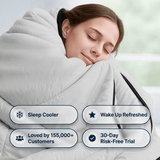
Temperature is one of the biggest things that makes or breaks a night. Get too hot, and you surface out of deep sleep without even knowing why.
Breathable, temperature-regulating fabrics let air move and pull heat away, so you're not overheating under the covers. That steady comfort matters year-round, but especially in summer or if you run warm.
Why You Need Sheets and Fabrics with Hypoallergenic Properties
If you deal with allergies, this one's big. Certain tightly woven, hypoallergenic fabrics resist dust mites, mold, and other allergens that trigger nighttime sneezing and itching.
Fewer allergens means fewer interruptions, and a cleaner sleep surface overall. Worth prioritizing if you wake up congested.
How to Choose the Right Bedding
- Material matters: breathable fabrics help with comfort and temperature
- Invest in quality: better bedding costs more but lasts longer and sleeps better
- Match your needs: softness, cooling, or hypoallergenic, pick for what actually keeps you up
Here's the thing about all of this. None of it works the first night, and that's okay. A bedtime routine is a slow build, not a switch you flip. Give it a couple of weeks of showing up, and one evening you'll realize you fell asleep without trying. That's when you know it stuck.
This article is for informational purposes only and does not constitute medical advice.