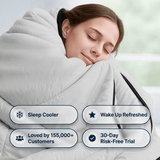


Best Sheets for Night Sweats: Why Bamboo Is the Cool Choice
Bamboo viscose is one of the best sheet fabrics for night sweats because it's highly breathable and absorbs then releases moisture quickly, so it feels dry and cool against warm skin. It won't stop night sweats - nothing you sleep on can - but it manages heat and moisture better than heavy cotton or synthetics, which trap both. It's smooth at a moderate thread count, resists odor, and softens with washing. Tencel performs similarly and is worth considering; linen breathes well but feels crisp and wrinkles; cotton and microfiber are the weakest picks for heavy sweating.
Why Do Night Sweats Happen?
Your body runs its own thermostat overnight, and sometimes it overshoots - you sweat to cool down even when the room is fine. Plenty of things nudge that thermostat: stress, pregnancy, hormonal shifts and menopause are common ones, and heavy bedding, some medications and warm rooms all add to it. Sometimes there's an underlying medical reason worth checking with a doctor.
Here's the part you can control. The wrong sheets make it worse. Heavy cotton or synthetic bedding traps heat and moisture against you, so you sweat more, not less. The right fabric does the opposite - and that's mostly about breathability and how fast moisture moves off your skin.
What Actually Matters in Cooling Sheets
Construction matters more than the words on the packaging. Five things to weigh.
Fabric. This is the biggest lever - more below.
Weave. Sateen is smooth and drapes, balancing softness and cooling. Percale and twill run lighter and crisper. Hot sleepers usually want whatever keeps air moving without feeling rough.
Thread count. Higher isn't better, which surprises people. Pack the threads too tight and the fabric turns dense and stuffy. A moderate thread count usually gives the best mix of soft and breathable.
Moisture behaviour. All natural fibres absorb moisture - the question is how fast they take it up and release it. A breathable, fast-releasing fabric moves sweat off your skin and lets it evaporate, so you don't lie in a damp patch. A dense, slow-drying one keeps it against you.
Durability and care. Good cooling sheets should survive many washes without going rough or thin. A fabric that softens over time rather than falling apart is the one that earns its price.
How the Fabrics Compare
| Fabric | Breathability | Moisture behaviour | Feel | Note |
|---|---|---|---|---|
| Bamboo viscose | High | Absorbs and releases quickly; feels dry | Silky, smooth | Softens with washing; resists odor |
| Tencel (lyocell) | High | Similar to bamboo | Smooth | Comparable cooling, durable, often pricier |
| Linen | Very high | Absorbs well, dries fast | Crisp, textured | Breathes beautifully but feels rough and wrinkles easily |
| Cotton | Moderate | Absorbs and holds; slower to dry | Familiar, soft | Middling for heavy sweating - holds heat and damp |
| Microfiber / polyester | Low | Traps moisture against skin | Slick | Cheap, but the worst for hot sleepers |
Why Bamboo Works for Night Sweats and Hot Flashes
Bamboo suits sweaty nights because it handles the three things that wreck them: heat, moisture, and a surface that feels wrong against warm skin.
Breathable. Bamboo viscose has a porous fibre structure, so air keeps moving through the weave instead of stalling. That heads off the heat-trap effect that makes sweating worse.
Fast-releasing. Like all cellulose fibres it absorbs moisture readily - in fact more readily than cotton - but its breathability means it releases that moisture to the air quickly rather than holding it against you. The practical result is that you feel drier for longer, even though the fibre is genuinely absorbent.
Comfortable against skin. It feels silky at a moderate thread count while still breathing freely, comes in sateen for a smooth cool drape or percale for something lighter, and tends to soften with every wash. Add natural odor resistance and you can see why hot sleepers keep landing on it.
One honest caveat: bamboo's advantages are real but not magical. Its comfort properties are broadly those of a good breathable cellulose fabric - it's a strong choice, not a fabric that does something no other fibre can.
Bamboo Bedding for Menopause
Menopause is one of the most common reasons people start waking up drenched, and for many women it's nightly. Bedding built for heat and moisture genuinely helps make those nights more comfortable - it needs to stay cool as body temperature swings, move moisture fast so you're not lying in a damp patch, and feel soft against skin that's easily irritated.
Bamboo does all three: breathable, fast-releasing, and silky. For a lot of people that means fewer wake-ups and less tossing. To be clear, a sheet can't stop hormonal night sweats - the right surface just makes them far less disruptive. For anything persistent, it's worth a conversation with your doctor.
Sleep Cooler With Comfy Sleepers
You don't have to just put up with damp, broken nights. The right sheets change the equation.
Our Cooling Bamboo Sheet Set is built around what hot sleepers need: bamboo viscose in a 400 thread count sateen weave, naturally breathable, that absorbs and releases moisture to keep you dry and feels smooth against skin and hair.
The practical bits: includes a fitted sheet, flat sheet, two pillowcases and a storage bag; comes in Twin, Full, Queen and King; the fitted sheet has an ~18" (45 cm) deep pocket with a 1.25" (3 cm) elastic band so it stays put all night; ten colors from Silver Chill to Mocha Taupe; machine wash cold or warm on gentle, line dry, skip the tumble dryer. Pre-washed, so it's ready the night it arrives.
Common Questions About Cooling Sheets
Do cooling sheets really work?
They do, within limits. No sheet stops night sweats outright, but a breathable, fast-releasing fabric cuts heat buildup and moves moisture off your skin, so you stay more comfortable instead of lying in a damp patch.
Are cooling sheets good year-round?
Yes. Because the benefit comes from breathability rather than a cooling gimmick, bamboo lets heat escape in summer and doesn't trap you in winter. It suits anyone chasing steadier sleep across seasons.
Is bamboo moisture-wicking or moisture-absorbing?
Technically it absorbs - cellulose fibres are absorbent by nature, and bamboo takes up moisture faster than cotton. What makes it feel "wicking" is that its breathability releases that moisture to the air quickly, so it doesn't stay damp against you. Both things are true at once.
Are bamboo sheets the best for menopause night sweats?
They're a strong choice - cooling comfort and quick moisture release that cotton can't really match, which many women find makes those nights more bearable. It won't stop the sweats themselves, so see your doctor for anything ongoing.
Bamboo or Tencel for hot sleepers?
Both cool well and feel similar. Tencel is durable and often a bit pricier; bamboo is silky and softens with washing. It's genuinely close - pick on feel and budget rather than expecting a big cooling gap.
Do cooling sheets have downsides?
Quality bamboo costs more than budget cotton or microfiber. But good bamboo lasts years and softens as it goes, so most people find the comfort and lifespan pay for the difference.
Key Takeaways
Choose for breathability, not a "cooling" label. Bamboo, Tencel and linen all breathe well and release moisture fast; cotton and microfiber trap heat and damp. That's the real divide.
"Feels dry" comes from fast release, not from repelling water. Bamboo absorbs moisture - it just gives it back to the air quickly. Don't buy on a wicking myth; buy on breathability.
Sheets manage night sweats, they don't cure them. If sweats are persistent or new, treat the bedding as comfort and get the cause checked by a doctor.
You don't have to accept damp, broken nights. A breathable, fast-releasing fabric won't switch off your internal thermostat, but it stops your bedding from making things worse - and for most hot sleepers, bamboo is the most comfortable way to do exactly that.
This article is for informational purposes only and does not constitute medical advice. If night sweats are frequent, severe, or new, please speak with your healthcare provider.
Sources / References
- Gericke, A. & Van der Pol, J. (2010). A comparative study of regenerated bamboo, cotton and viscose rayon fabrics. Part 1: Selected comfort properties. Journal of Family Ecology and Consumer Sciences, 38:63–73. https://www.ajol.info/index.php/jfecs/article/view/61642