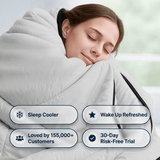


Weighted Blankets Menopause
Menopause is a natural stage in a woman's life when monthly periods come to an end. It usually happens during the late 40s or early 50s, but the experience can look very different from one woman to another.
For some, it's mostly manageable. For others, it can feel like their body suddenly stopped following the rules they've known for years.
One night you're sleeping fine. Next, you're waking up sweaty, tossing the blanket aside, and wondering why you're wide awake at 2 a.m.
That's why many women start searching for simple ways to make bedtime feel a little easier.
Why Menopause Can Make Nights Feel Longer
Ask women about menopause and sleep, and you'll hear the same complaint again and again.
"I just can't stay asleep."
Sometimes it's the heat.
Sometimes it's waking up for no reason at all.
Sometimes it's feeling exhausted all day, then somehow lying awake the second your head touches the pillow.
The frustrating part is that poor sleep often creates a cycle of its own.
Less sleep can leave you feeling more stressed the next day. More stress can make it harder to unwind at night. Before long, bedtime starts feeling like work.
That's one reason many women begin paying closer attention to their sleep setup.
Not because bedding solves menopause.
But because comfort becomes a much bigger deal when sleep isn't coming as easily as it once did.
Quick Facts
Did You Know?
- Night sweats & hot flashes from menopause are extremely common
- At this stage of life sleep disturbances increase often
- Room temperature can impact sleep quality
- Heavy bed covers are not always the most comfortable option
- Even small changes to the sleep environment can make a noticeable difference
Can Weighted Blankets Be Helpful During Menopause?
Weighted blankets have become more popular as many people enjoy the feeling they provide.
A good comparison is the feeling of settling into your favorite chair after a long day. Nothing magical happens. It just feels comforting.
That's what attracts many people to weighted blankets.
The gentle, evenly spread weight can create a cocoon-like feeling that some sleepers find relaxing.
During menopause, when nights can already feel unpredictable, that extra sense of comfort appeals to a lot of women.
The important thing is choosing the right type.
Because comfort quickly disappears if you're lying there feeling overheated.
Not Every Weighted Blanket Feels The Same
Here's where many first-time buyers get confused.
They assume all weighted blankets are basically identical.
They're not.
Some weighted blankets are made with thick fabrics and dense materials that may hold onto warmth. Others are designed with softer, more breathable materials that feel less stuffy throughout the night.
The weight itself isn't always the reason people get too warm.
Often, it's the materials surrounding that weight.
Think about wearing two jackets that weigh roughly the same.
One feels light and comfortable.
The other feels hot within minutes.
The difference isn't the weight.
It's the design.
Weighted blankets work much the same way.
Why Breathable Materials Matter During Menopause
If you've ever woken up during a hot flash, you already know how quickly comfort can disappear.
A blanket that feels fine when you fall asleep can suddenly feel much warmer an hour later.
That's why breathable materials matter.
A weighted blanket designed with breathable fabric allows more airflow around the body compared to heavy, heat-trapping alternatives.
That doesn't mean you'll never feel warm.
But it can help create a more comfortable sleeping environment for women who already struggle with overheating at night.
And honestly, that's what most people are looking for.
Not a miracle.
Just fewer reasons to wake up uncomfortable.
What To Look For In A Weighted Blanket
If you're shopping for a weighted blanket for menopause, look for:
- Breathable construction of fabric
- Even weight distribution
- Soft materials in contact with the skin
- Weight options that suit your comfort level
- Good stitching for keeping the blanket in balance
The point isn't to find the heaviest blanket.
It's about finding one that you actually like sleeping under.
Comparing Features That Matter Most
| Feature | What To Look For |
|---|---|
| Fabric | Soft, breathable material |
| Comfort | Even pressure across the body |
| Airflow | Allows heat to move more freely |
| Feel | Cozy without feeling restrictive |
| Sleep Environment | Better suited for warm sleepers |
A blanket can feel comforting without feeling overwhelming.
That's often the sweet spot.
Other Ways To Make Menopause Nights More Comfortable
A weighted blanket is only one piece of the puzzle.
Many women find that a few small bedtime changes can also help.
Keep The Bedroom Cooler
A cooler room often feels more comfortable than an overly warm one, especially during hot flashes.
Choose Lighter Sleepwear
Heavy pajamas can sometimes make the problem worse.
Many women like lighter, softer fabrics that aren't constricting.
Watch Evening Triggers
Some find some habits affect their comfort at night.
Common examples include:
- Spicy meals late in the evening
- Alcohol before bed
- Too much caffeine
- Overheated bedrooms
Everyone's triggers are different, but paying attention can be helpful.
Create A Simple Wind-Down Routine
Scrolling through your phone until midnight probably isn't doing you any favors.
Reading a few pages of a book, stretching, or listening to calming music may help signal that it's time to sleep.
Sometimes the body just needs a chance to slow down.
Final Thoughts
Menopause can make sleep feel completely different from what it used to be.
Hot flashes, night sweats and restless nights turn what once felt effortless into a nightly challenge.
Although a weighted blanket won't cure menopausal symptoms, many women enjoy the comfort and gentle pressure of a weighted blanket.
The trick is to find a weighted blanket made of breathable materials so you don't sacrifice comfort for overheating.
When sleep is harder to come by, even small gains can feel like big deals.
And if a more comfortable bedtime routine helps you wake up a little more rested, that's a win worth having.
This article is for informational purposes only and does not constitute medical advice. If menopausal symptoms are disrupting your sleep, speak with your healthcare provider about options.